Full Car Wrap: What It Covers and Why It Matters
When I first started working with vehicle wraps in Singapore, the term "full car wrap" sounded simple enough. It means covering the entire exterior of a car with a vinyl film. But the reality is more layered. A true full car wrap involves wrapping every visible panel, every curve, and every recessed area. It is not the same as a partial wrap, which might only cover the hood, roof, and upper body panels. Once you have seen a proper full wrap applied, you understand the difference between a job done quickly and a job done right.
The quality of the vinyl wrap matters as much as the skill of the installer. In Singapore's tropical climate, heat and humidity test every adhesive and every film. Materials like 3M, Oracal, and Avery Dennison are the standards in this industry. They hold up against UV rays, road grime, and the occasional bird droppings. During the lamination process, a clear protective layer is added on top of the printed wrap. That lamination shields the graphics from scratches and fading. Without it, a wrap on a daily driver can look tired within a year.
Why Go Full Instead of Partial?
A partial wrap can be a smart choice for vehicle branding or a budget-friendly color change. But a full car wrap gives you a seamless look. There are no visible cut lines where the wrap ends. The edges are tucked into door jambs and behind rubber seals. When the car is parked next to a similar model with a partial wrap, the difference is obvious. The full wrap looks like a factory finish.
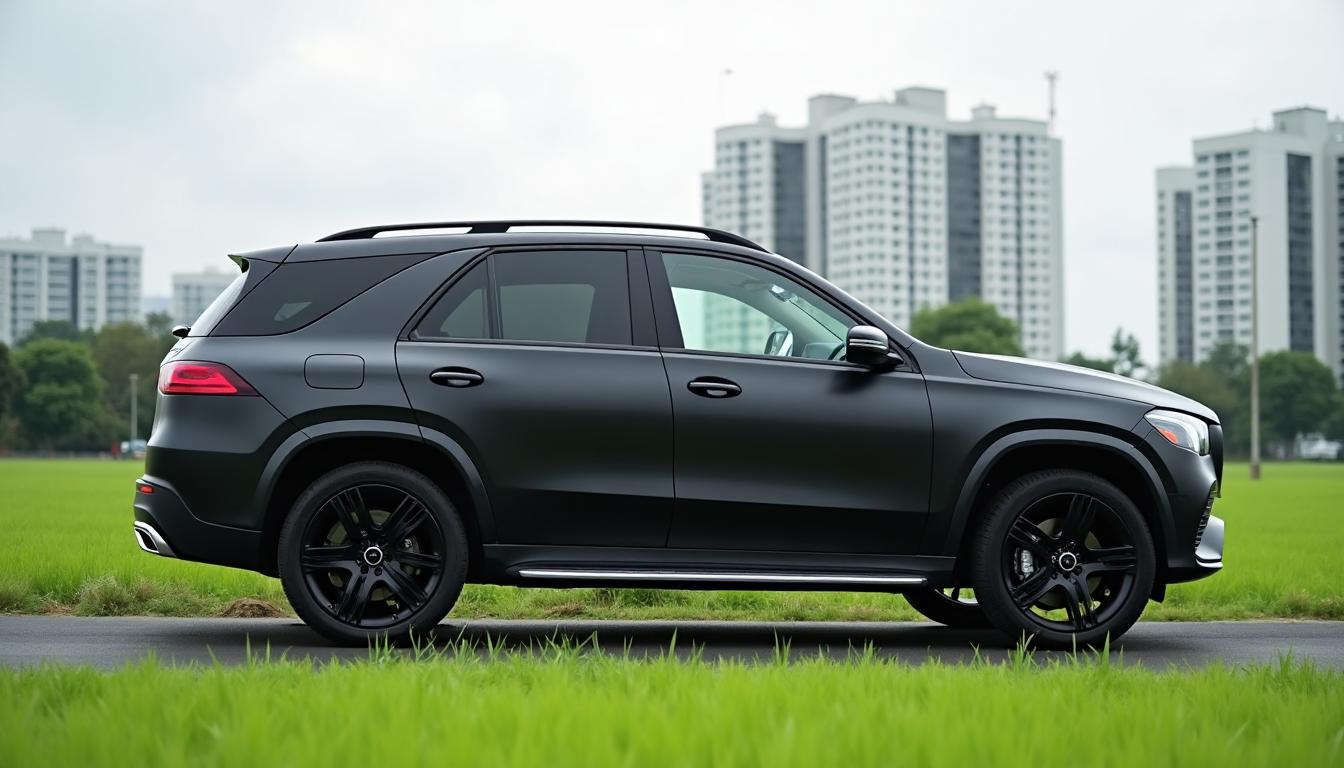
For a color change wrap, going full means you can pick a matte finish or a gloss finish and have it cover every surface. If you want matte black, every panel will be that same deep, non-reflective black. If you prefer gloss white, the car will shine like a fresh paint job. The wrap also acts as a car paint protection film. It shields the original paint from scratches, UV damage, and minor abrasions. When you remove the wrap after a few years, the paint underneath should be in excellent condition. That is a big plus if you lease your car or plan to sell it.
Materials Matter More Than You Think
The choice between 3M, Oracal, and Avery Dennison is not academic. Each brand has its own adhesive system, durability rating, and finish options. 3M is widely respected for its long-term stability and easy removal. Oracal offers a wide palette of colors and textures, including a convincing carbon fiber wrap. Avery Dennison is known for its conformability around complex curves. In Singapore, where the humidity can be brutal, a cheap wrap can bubble or peel within months. Using a reputable brand is not a luxury; it is a requirement for a wrap that lasts.
Lamination is another layer of protection that many people overlook. A printed wrap always needs lamination to protect the ink. But even a solid-color wrap can benefit from a laminate. It adds gloss or matte depth and makes the surface easier to clean. When I see a wrap that has faded unevenly or has scratches all over the hood, the cause is almost always a lack of lamination or poor material choice.
The Process and the People
Installing a full car wrap is a labor-intensive process. The car must be thoroughly cleaned and often detailed first. Every speck of wax or dirt can create a bump under the film. The installer trims the vinyl to each panel, leaving extra material to wrap around the edges. Heat guns are used to stretch the film over curves and into seams. For a chrome wrap or a carbon fiber wrap, the material is less forgiving. Chrome wrap, in particular, shows every imperfection underneath. That is why you rarely see a chrome wrap that looks perfect up close unless the installer is extremely skilled.
Working with custom design adds another layer of complexity. The design has to account for panel breaks. A logo that looks great on a flat screen may be distorted when stretched over a door handle or a wheel arch. Good designers and installers collaborate to adjust the artwork so it lands correctly on the car. Vehicle branding for a commercial fleet wrap often involves multiple cars. Consistency across the fleet is important. A full wrap on a delivery van can make the business look professional and trustworthy. But if the wrap is not aligned or is peeling at the edges, it has the opposite effect.
Cost and Value
A full car wrap costs more than a partial wrap, and the price gap can be significant. But the value is also higher. You get complete coverage, better protection, and a more uniform appearance. The cost of materials from brands like 3M or Avery Dennison is higher, but the lifespan is longer. A well-maintained full wrap can last five to seven years in Singapore's climate. That is a good return on investment if you keep the car for a while.
For a commercial fleet, the math is even clearer. A full wrap turns every vehicle into a moving billboard. The cost per impression can be very low over the life of the wrap. And because the wrap protects the paint, the resale value of the vehicle stays higher. Some fleet owners choose a full wrap over paint because it is faster to apply and easier to update. When the branding changes, the old wrap is removed and a new one is applied. No painting, no sanding, no downtime.
Maintenance and Care
A full car wrap is not maintenance-free. You have to wash it regularly, but with the right products. Avoid abrasive brushes and strong solvents. Hand wash with a mild soap and a soft cloth. High-pressure car washes can lift the edges if the wrap is not properly sealed. In Singapore, where rain is frequent, the wrap should be dried after washing to prevent water spots. Waxing a wrap is not recommended. Instead, use a sealant that is safe for vinyl. The care routine is similar to what you would do for a high-end paint job, just with a few extra precautions.
If you park outdoors every day, the wrap will fade faster than if you park in a garage. That is a trade-off. A gloss finish reflects more heat than a matte finish, which can help the wrap last longer. A matte finish looks elegant but may show fingerprints and smudges more easily. These are small decisions that affect your daily experience with the car. A good installer will walk you through these trade-offs before you commit.
Final Thoughts
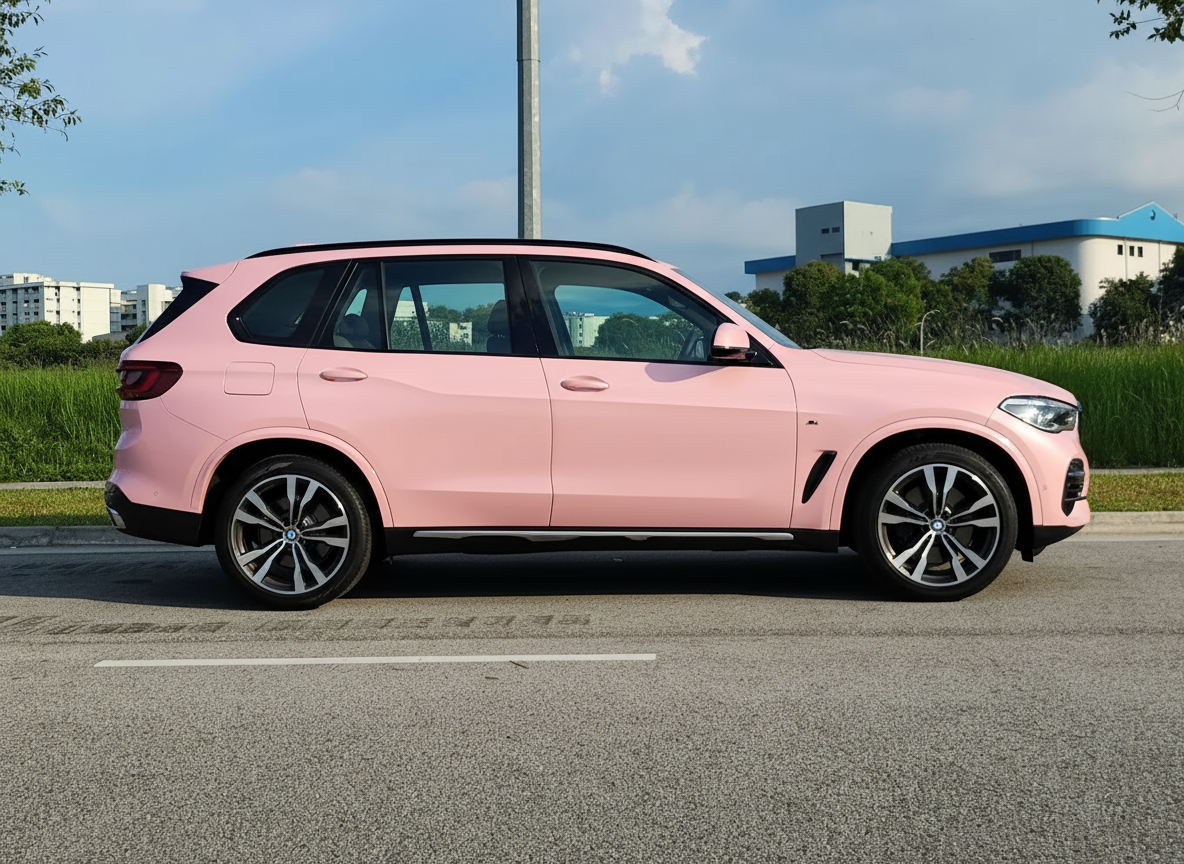
Deciding on a full car wrap is about more than aesthetics. It is a practical choice for protecting the original paint, expressing your style, or building a brand. The difference between a good wrap and a great one comes down to preparation, materials, and skill. In Singapore, where the environment is demanding, cutting corners is expensive in the long run. Whether you choose a carbon fiber wrap for a sporty look or a gloss white for a clean, classic appearance, the investment in quality will show on every panel. A full car wrap done right transforms the car. A full car wrap done cheaply becomes a regret. Choose your materials and your installer with the same care you put into choosing the car itself.